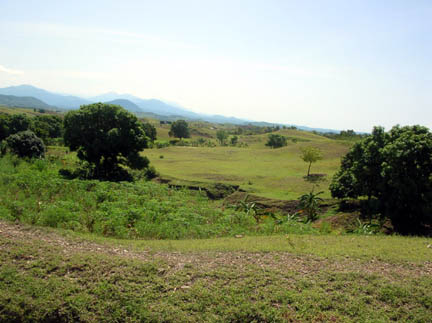
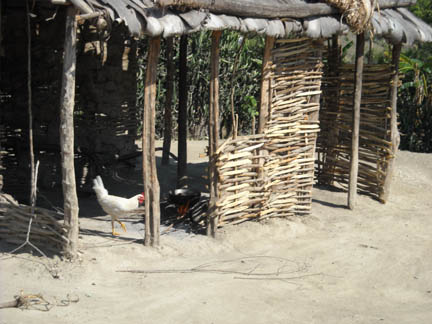
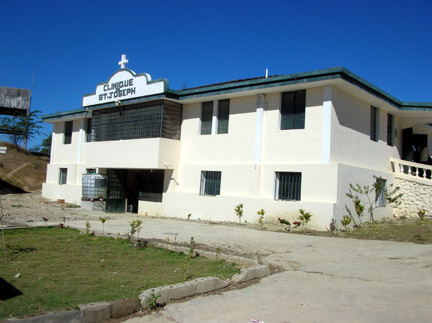
Half of Thomassique’s residents live in outlying villages that are 6 to 10 miles away from the Clinic. Until 2010, those residents had to walk 2 to 4 hours to be treated at St. Joseph Clinic. Now, through the Community Health Centers, they can receive first aid and basic health care from Community Health Workers trained by St. Joseph Clinic, Partners In Health, and the Haitian Ministry of Health (MSPP). In 2018, the Community Health Centers administered over 7700 vaccinations to women and children, treated 4100 patients, and referred at-risk patients to St. Joseph Clinic for care by trained doctors, nurses, and midwives. In addition, the Community Health Workers visited 2500 homes to assess health conditions and conducted almost 900 health education workshops.
Over the years, St. Joseph Clinic has introduced numerous programs to respond to the most critical health issues in the region:
Maternal and Infant Care Program
Facilitating safe births has been a focus of the Clinic since it opened, with a goal of mitigating the high rate of maternal and infant mortality in Haiti, where 75% of births take place in the home.
Trained midwives are on the Clinic Staff to facilitate safe births, provide both prenatal and postnatal consultations, and conduct education sessions on newborn health. Since 2013, Medical Missionaries has been training Matwons (Traditional Birth Attendants) to work in the outlying villages to facilitate home births in a safer environment and with greater knowledge on how to help with safe deliveries. The midwives are taught to recognize at-risk pregnancies and bring those women to the Clinic for professional care.
Childhood Malnutrition
As it is a major cause of childhood deaths in Haiti, we are addressing the problem of severe malnutrition of infants and school children through the following programs:
Medika Mamba Program
provides a nutritional supplement that restores 90% of severely malnourished infants to health over a two-month period.
School Lunch Program
provides hot lunches every school day to about 1000 schoolchildren, many of whom would not otherwise have a hot meal most days.
Fortified Salt (Bon Sel) Program
Bon Sel program distributes salt that is fortified with iron and diethylcarbamazine (DEC) to overcome delayed brain development in children and lymphatic filariasis.
Dental Hygiene Program
Dental hygiene continues to be an important component of our work at St. Joseph Clinic. Most villagers in rural Haiti have never had any preventive dental care other than from our visiting dental teams, and the simplest tooth infection can become very serious, even deadly.
Clinic Dental Hygiene Program.
The Clinic now has a part-time dentist who sees patients every two weeks, and is the only consistent dental care in Thomassique. Dentists from the USA visit the Clinic during the year to provide additional dental care and training.
School Dental Hygiene Program.
This program was initiated in 2016 by dentists from the USA to teach local youth the importance of brushing their teeth daily and how to brush properly. The USA dentists have trained two Haitian Dental Assistants to run this program.
Chronic Disease Treatment Program (CDTP)
CDTP was developed to combat the high incidence of hypertension and other chronic health concerns that are seen at the Clinic. Each month the Clinic’s professional staff monitors patients’ hypertension, and that they are taking their medications correctly and getting their prescriptions re-filled each month.